



7 Steps to Successfully Implement Electric Vehicles in Your Fleet
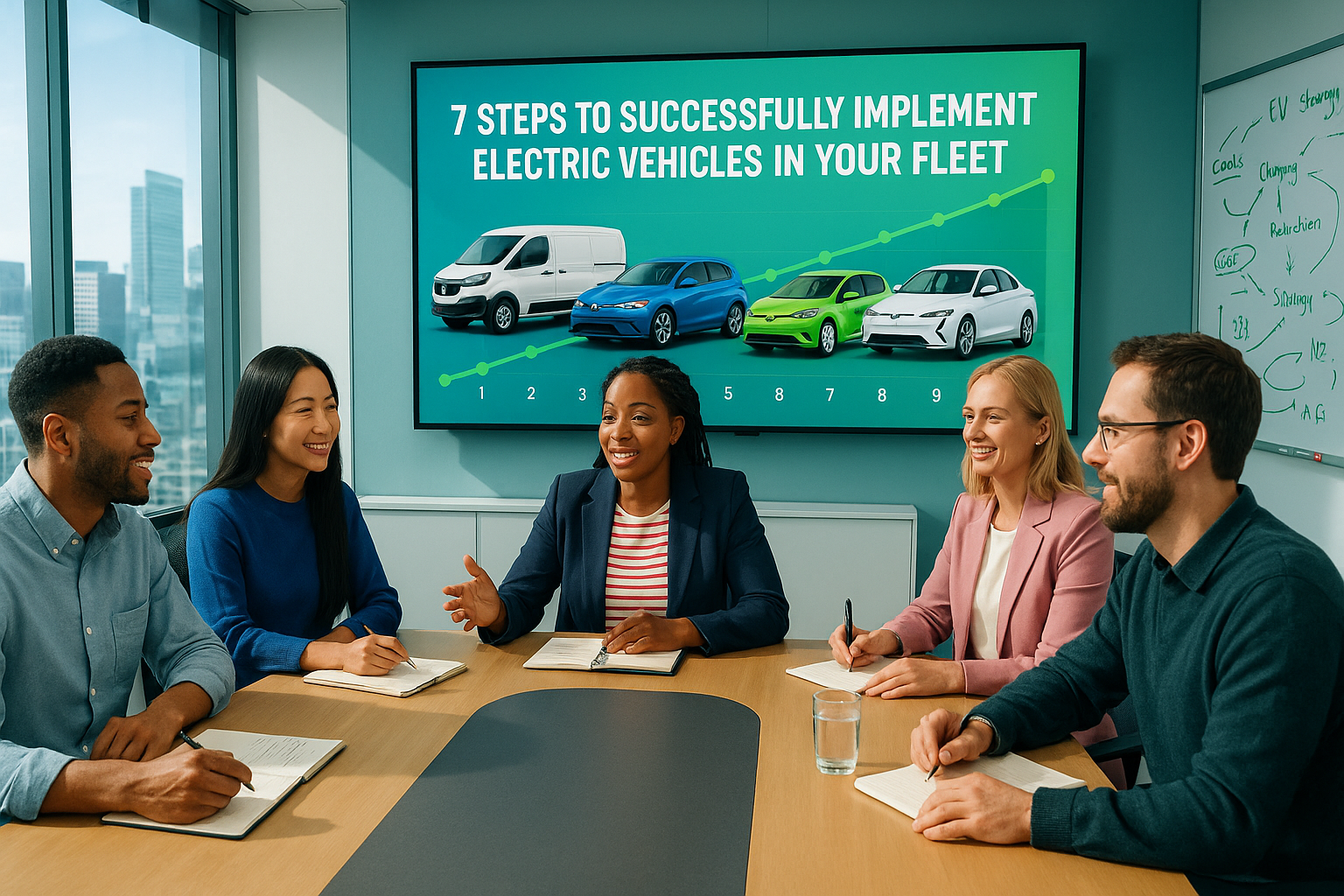
Learn how to seamlessly transition your corporate fleet to electric vehicles with our comprehensive guide.
Laying the Groundwork: Project Preparation
Successfully implementing an electric vehicle (EV) strategy begins with meticulous preparation. This phase involves assembling a dedicated project team and ensuring they are well-versed in EV technology, its benefits, and the specific goals of the project. The team should consist of members with diverse expertise, all sharing a passion for sustainability. Providing comprehensive education about EVs is crucial to lay a solid foundation.
Securing executive-level sponsorship and investment appetite is also a critical component in this stage. Engaging stakeholders early, including senior management, employees, and external partners such as EV suppliers and service providers, can greatly influence the project's acceptance and success. Developing a detailed project plan that outlines the scope, objectives, timelines, required resources, and potential risks will act as a roadmap, guiding the team through each stage of the implementation process.
Engaging Suppliers and Analyzing Costs
Adopting EVs in a manner that aligns with your organisation’s long-term sustainability goals and economic viability requires thorough engagement with suppliers and detailed cost analysis. Begin by identifying and approaching multiple potential suppliers to ensure a competitive selection process. Request detailed quotes covering all aspects of vehicle costs, including purchase or lease options, maintenance, and after-sales services.
Evaluate the offers based on factors such as range, capacity, charging time, and overall costs. Leading suppliers often provide dedicated online portals for fleet managers and employees, offering clear information on vehicle specifications, costs, and delivery schedules. These tools can greatly facilitate the decision-making process.
Conduct a thorough review of your existing on-premise infrastructure to determine the feasibility and requirements for charging station installation. This assessment should consider the number of vehicles, projected usage, available space, and grid capacity to ensure a smooth transition.
Aligning Stakeholders and Implementing Policies
The success of an EV strategy lies not only in the vehicles themselves but also in the comprehensive planning and execution of supportive policies and charging infrastructure. Ensuring that all these elements are thoughtfully addressed will lead to a sustainable and efficient fleet that aligns with the company’s environmental and financial goals.
Engage with key stakeholders, including the work’s council or other employee representatives, to ensure their support and address any concerns. Their involvement is crucial for the smooth adoption of the EV strategy. Develop a new policy that encompasses all aspects of the EV strategy, from vehicle usage to charging protocols, and ensure that it is clearly communicated to all employees.
Plan for the installation of on-premise charging infrastructure, considering both current and future needs to avoid potential bottlenecks and ensure a future-proof transition to EVs.
Formalizing Partnerships with EV Suppliers
A strong relationship with your chosen EV supplier is essential for a successful transition. Formalize the partnership with a contract that outlines expectations and responsibilities, including a Service Level Agreement (SLA) that sets out the performance criteria for the supplier. The SLA should detail indicators for measuring and monitoring the quality of service, delivery timelines, maintenance support, and response times for resolving issues.
Integrate the supplier’s online vehicle ordering system to facilitate easy configuration of EVs. Ensure that your company’s EV policy, which includes usage guidelines, charging protocols, and sustainability targets, is fully incorporated into the supplier’s systems. Maintain continuous communication and feedback loops with your supplier to adapt and improve the process over time.
Launching Your EV Fleet: From Orders to Charging Infrastructure
With all elements in place for smooth operation, the launch phase brings the project to life. This is a dynamic time of anticipation and excitement as drivers experience the benefits of electric vehicles first-hand. The go-live date marks a significant milestone, allowing drivers to officially place their orders in the supplier’s system.
Concurrently, the installation of the first home charging systems will commence. These are essential for ensuring that drivers have the necessary infrastructure to support their new electric vehicles, reinforcing the viability of the transition. Provide drivers with sufficient time to familiarise themselves with the new system and vehicles, offering support where needed.
Continuous Support and Transition to Operations
The smooth transition to an electric fleet hinges on the engagement and support of the entire organisation. Provide ongoing support following the implementation of the EV project by celebrating milestones, such as the delivery of your first EV. This landmark event serves as a symbol of your company’s commitment to sustainability.
Establish a comprehensive communication plan, including regular updates to keep everyone informed about the progress and milestones of the EV implementation. Offer dates on which employees can test-drive the EVs, an online FAQ section to address common concerns, visuals and tips to help employees get the best out of EVs, and employee surveys to gather feedback and continuously improve the implementation process.
As the project transitions to the operations team, ensure they are provided with all necessary documentation and procedures. Gather feedback from drivers on their experiences with the EVs and use surveys and interviews to assess satisfaction and identify areas for improvement. Evaluate the project’s success against your initial goals, such as cost savings and emission reductions, and implement Key Performance Indicators (KPIs) to measure and monitor EV performance going forward.
By following these steps and maintaining a dynamic, innovative, and helpful approach, your company can achieve a seamless and successful transition to an electric fleet, contributing to a more sustainable future.